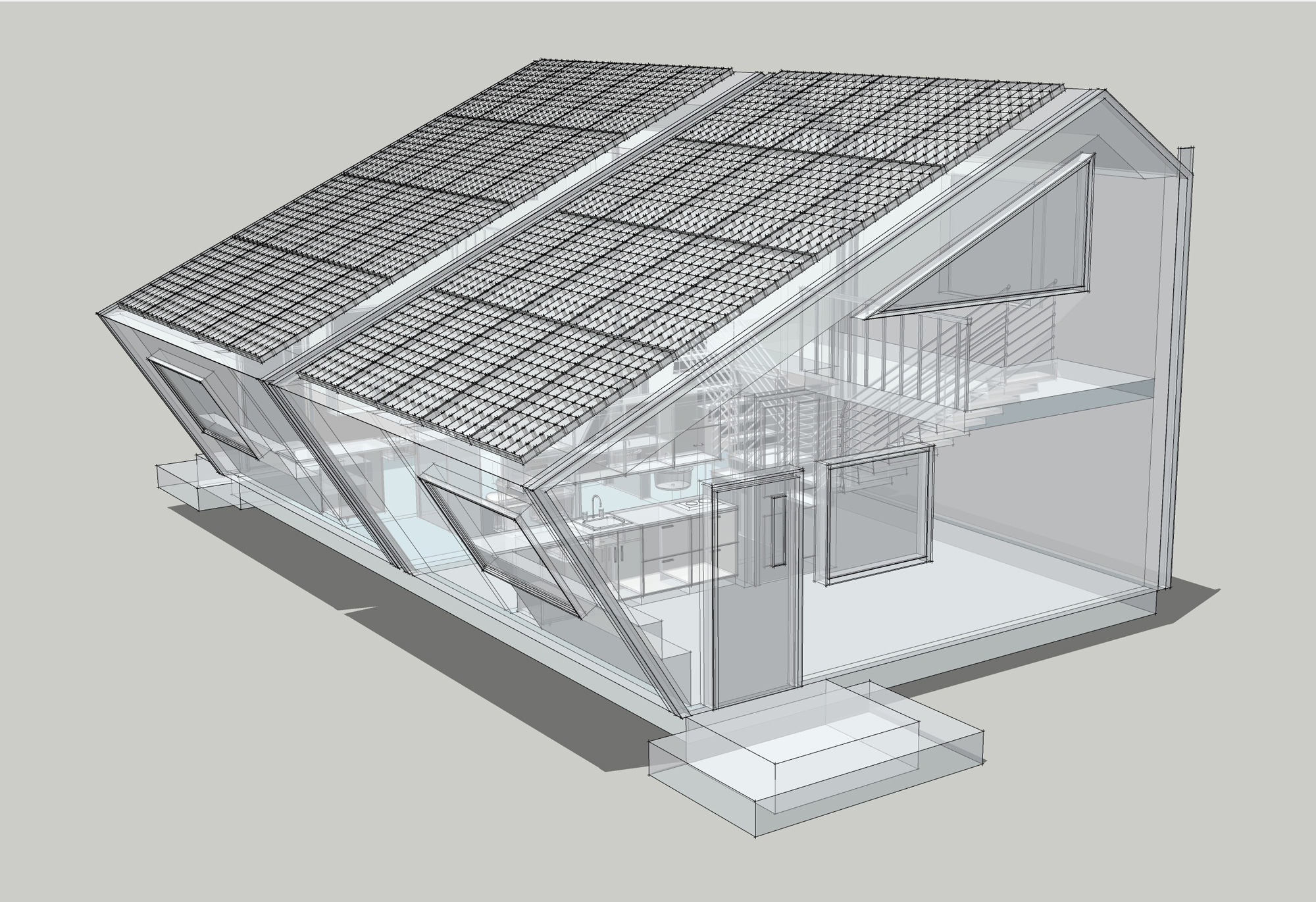
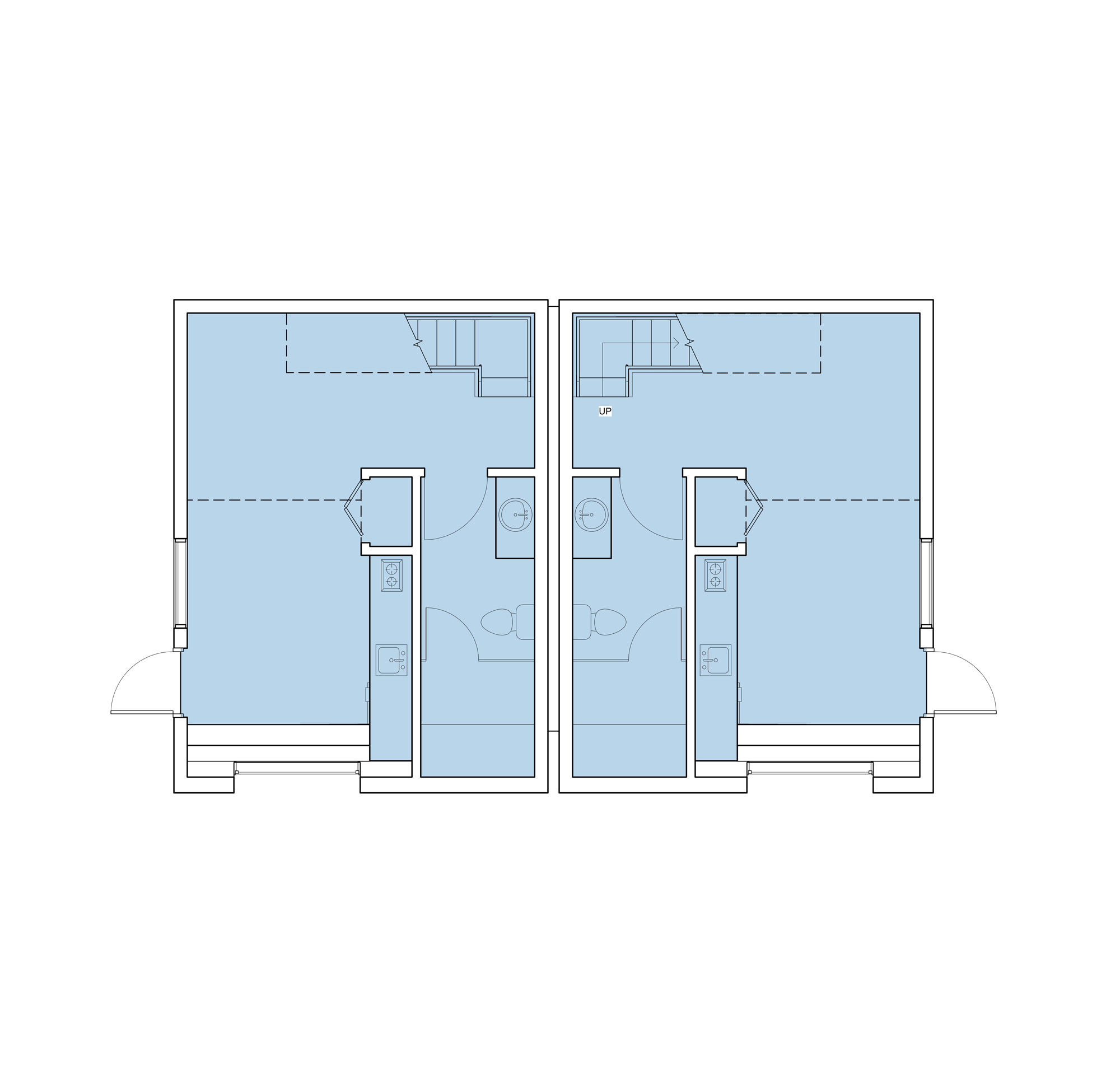
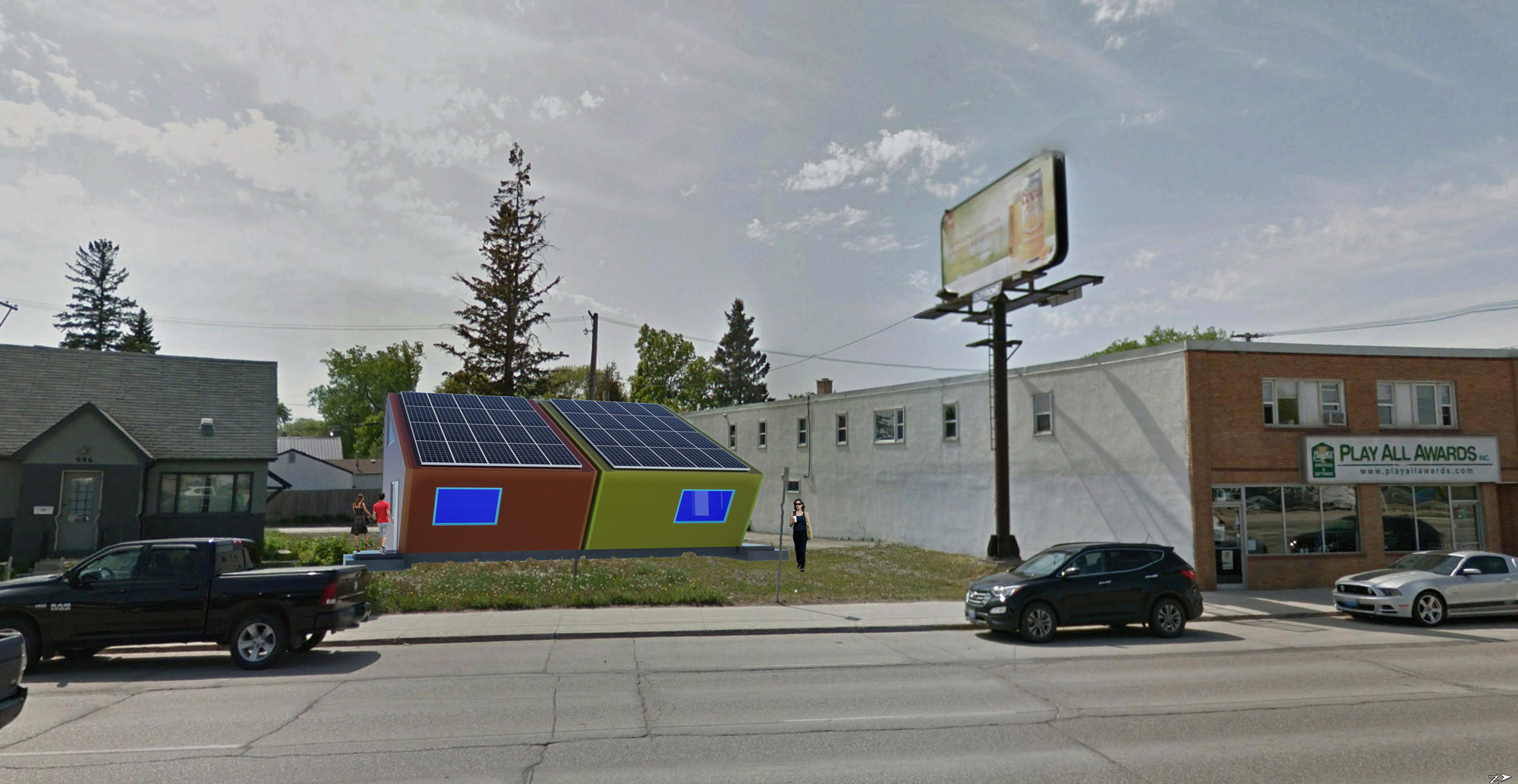
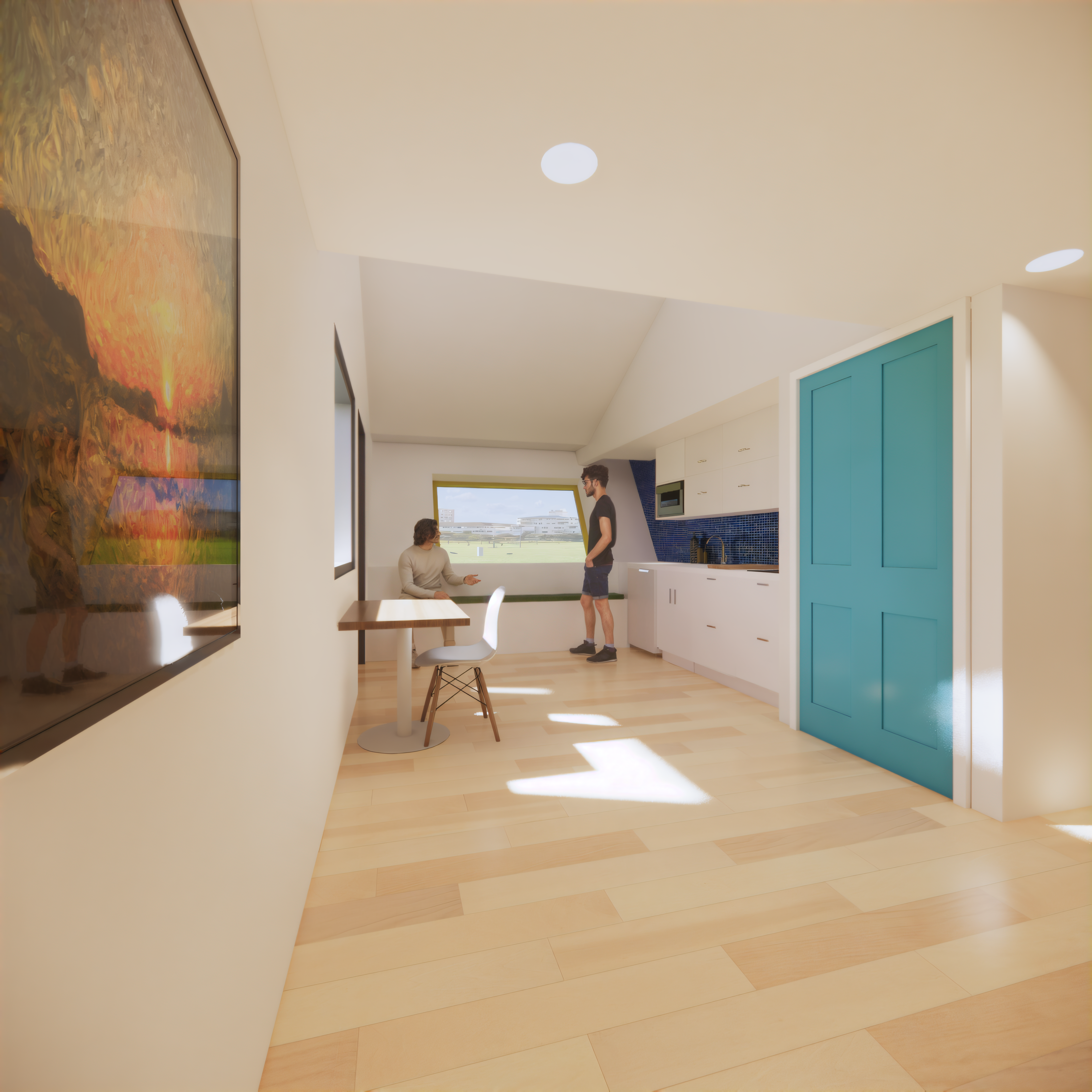
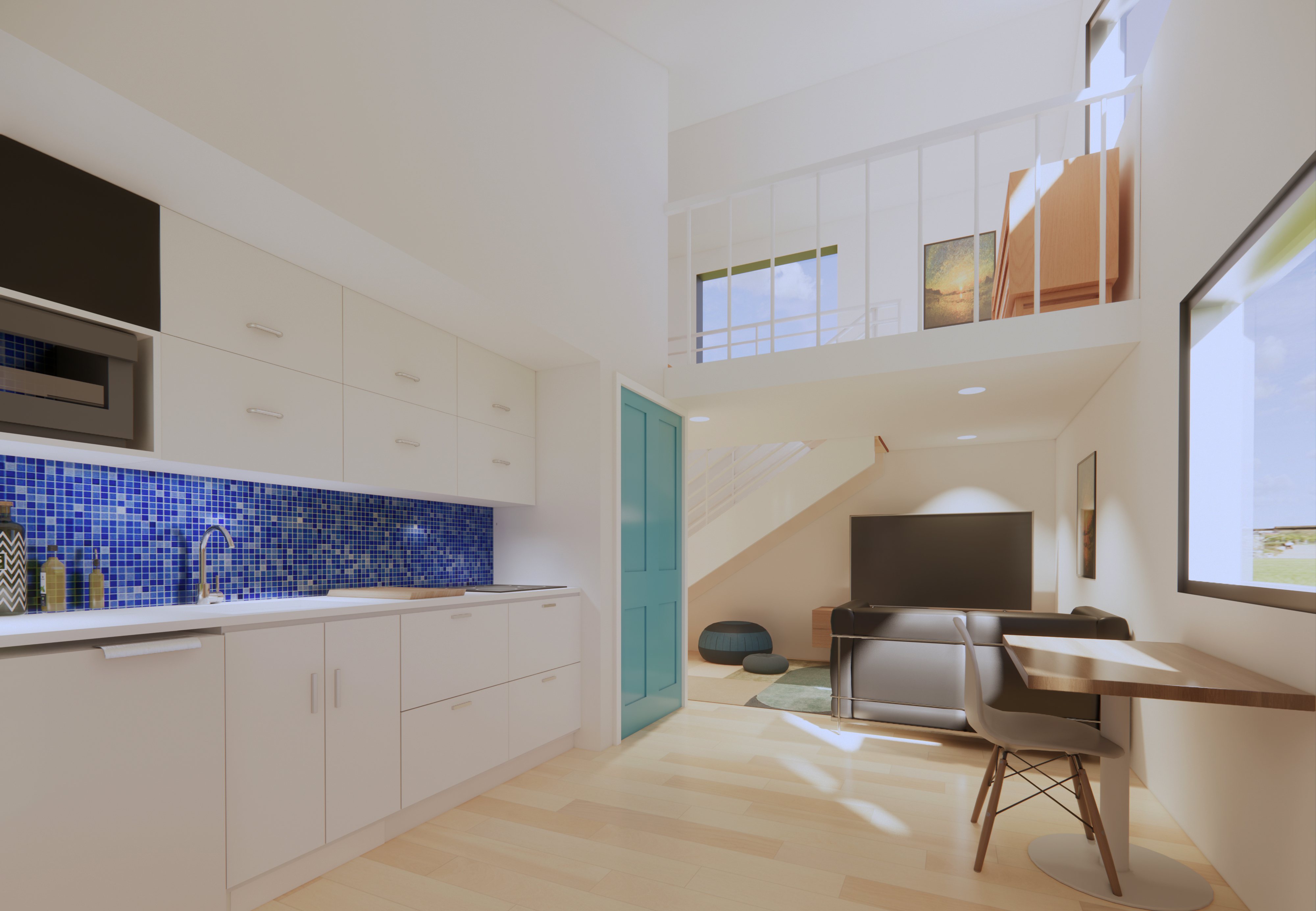
Our strategy is replication, not monument. The unit is modular and repeatable, able to occupy overlooked parcels of land—lots that are too narrow or irregular for conventional housing. What the city typically discards can become sites of opportunity.
The design is guided by both necessity and generosity.
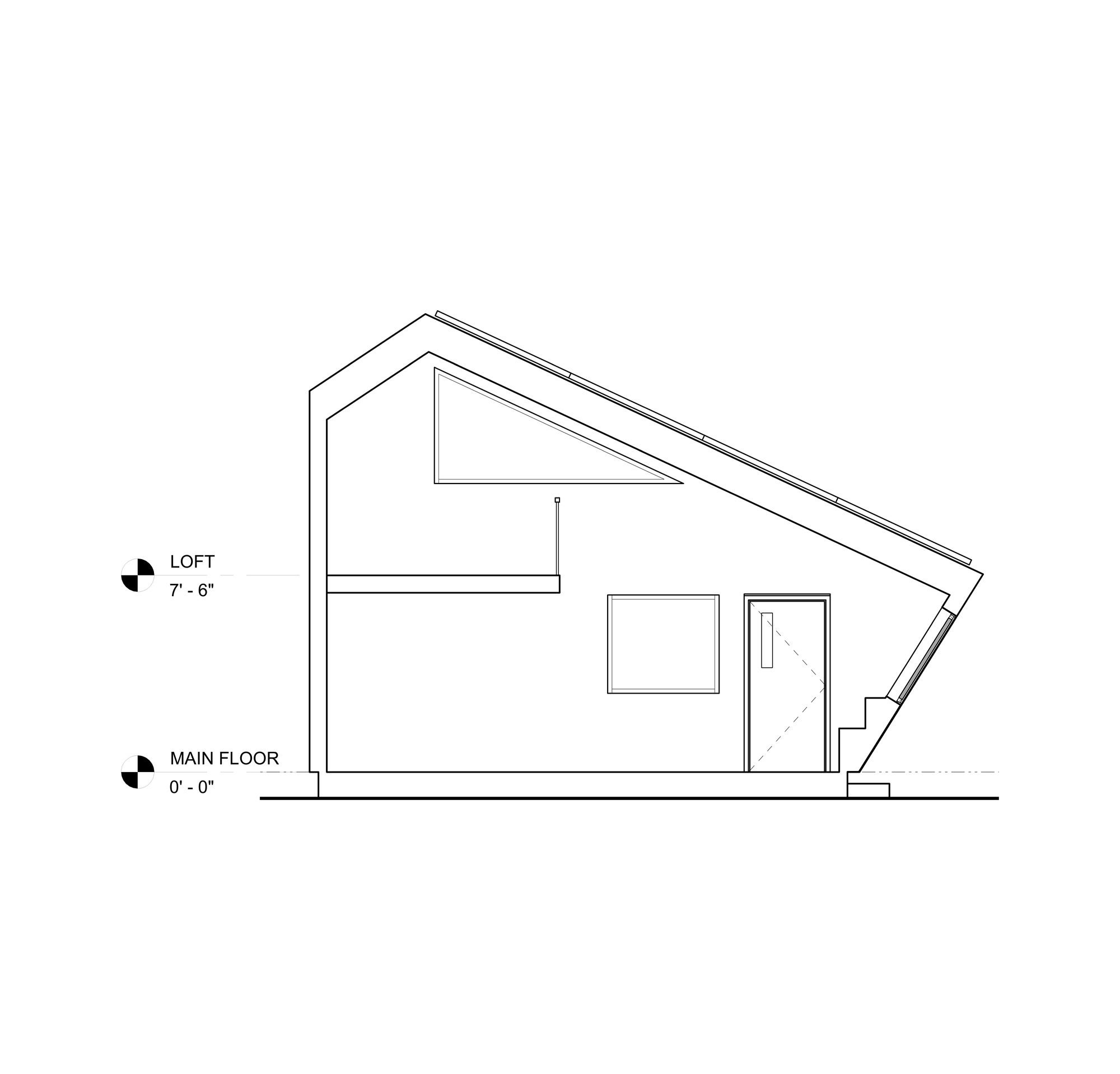
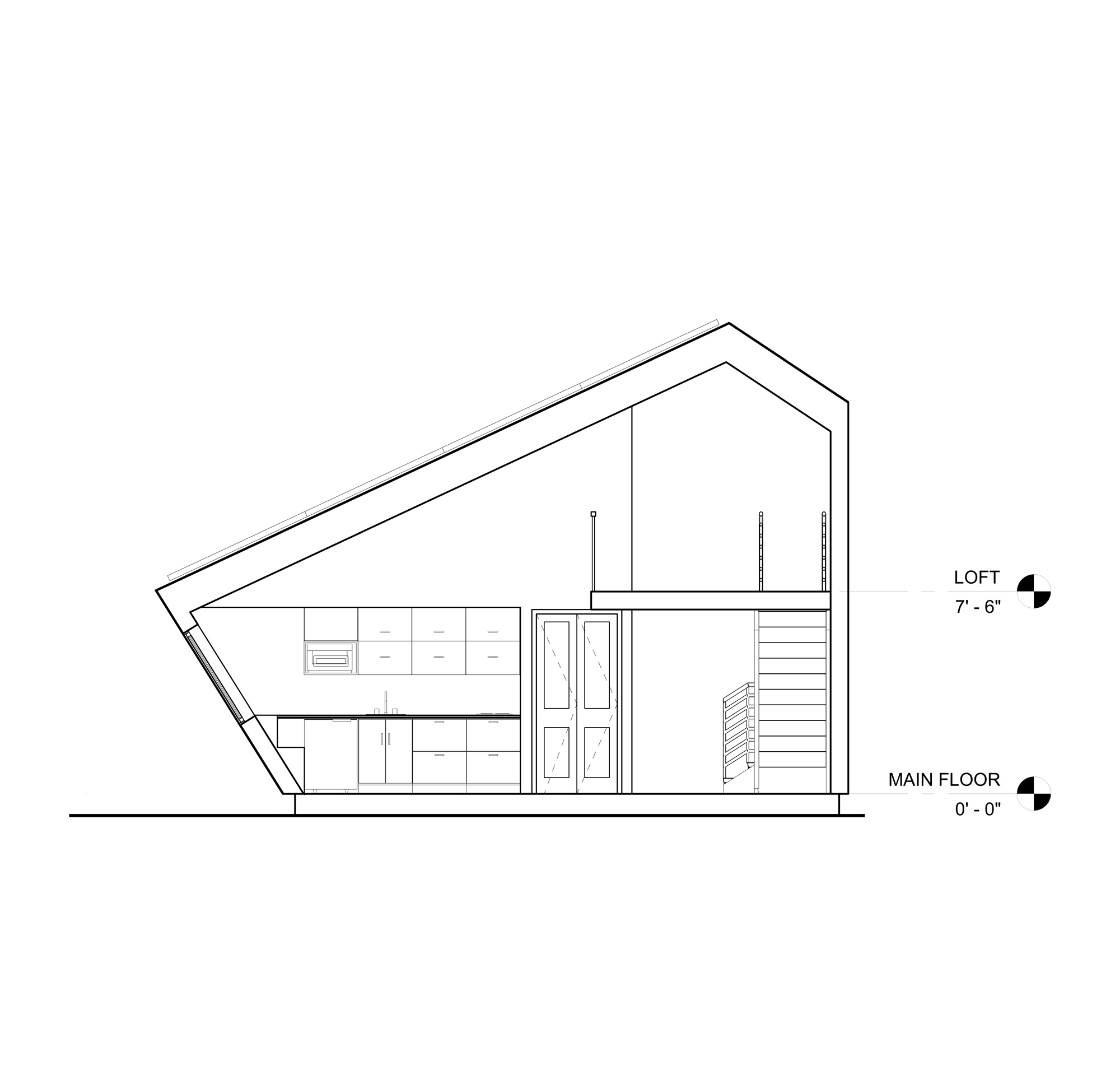
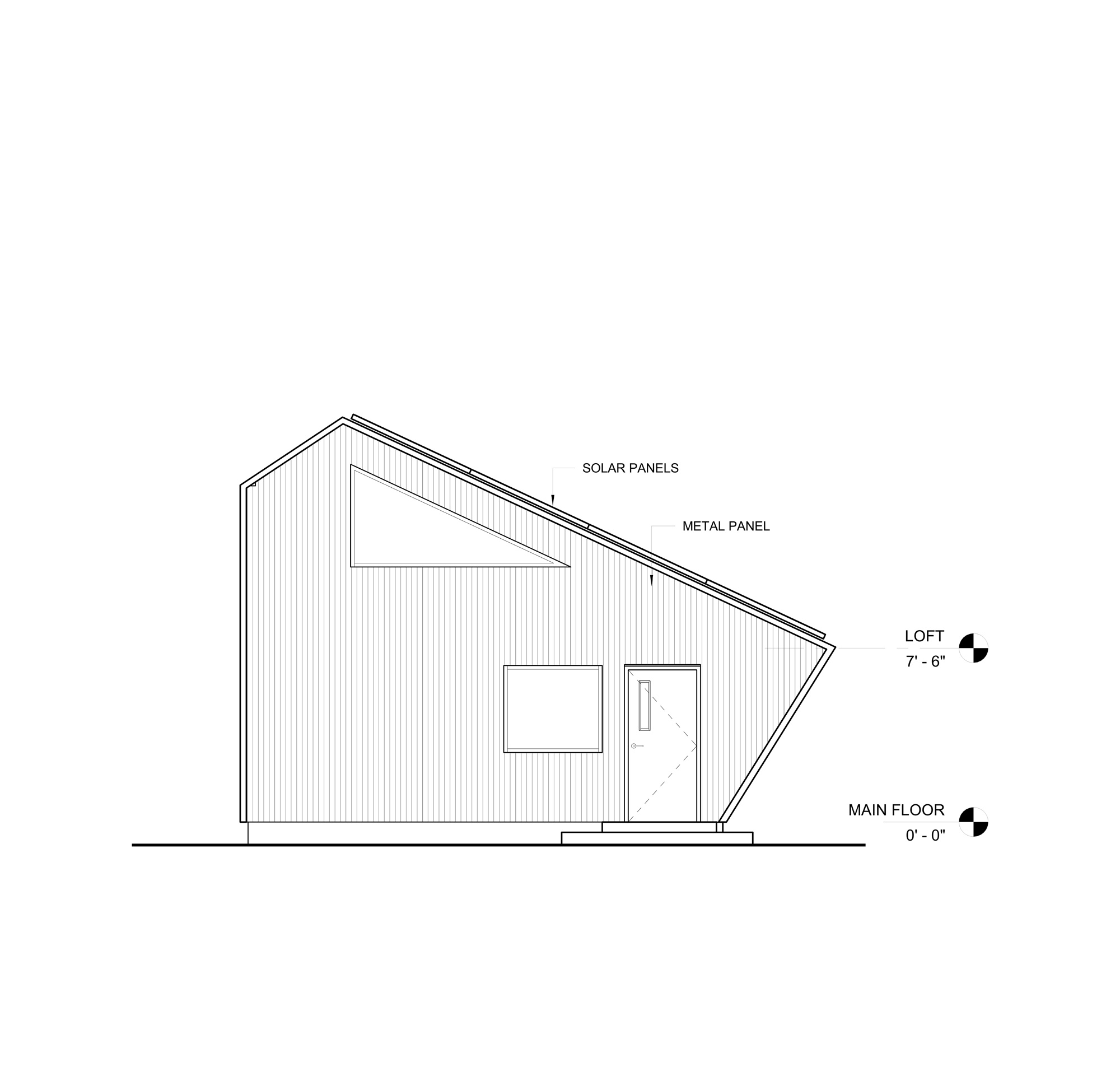
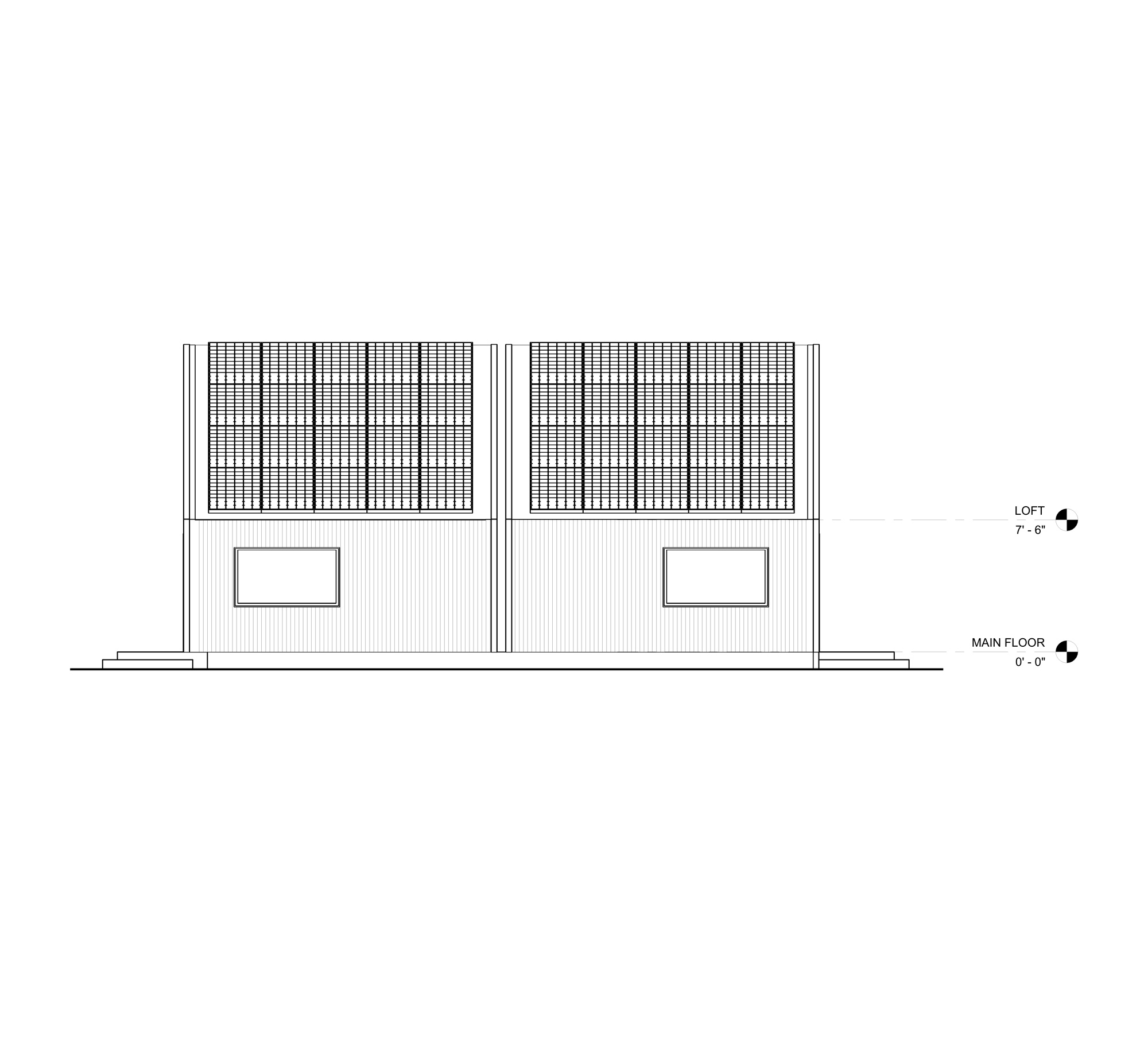
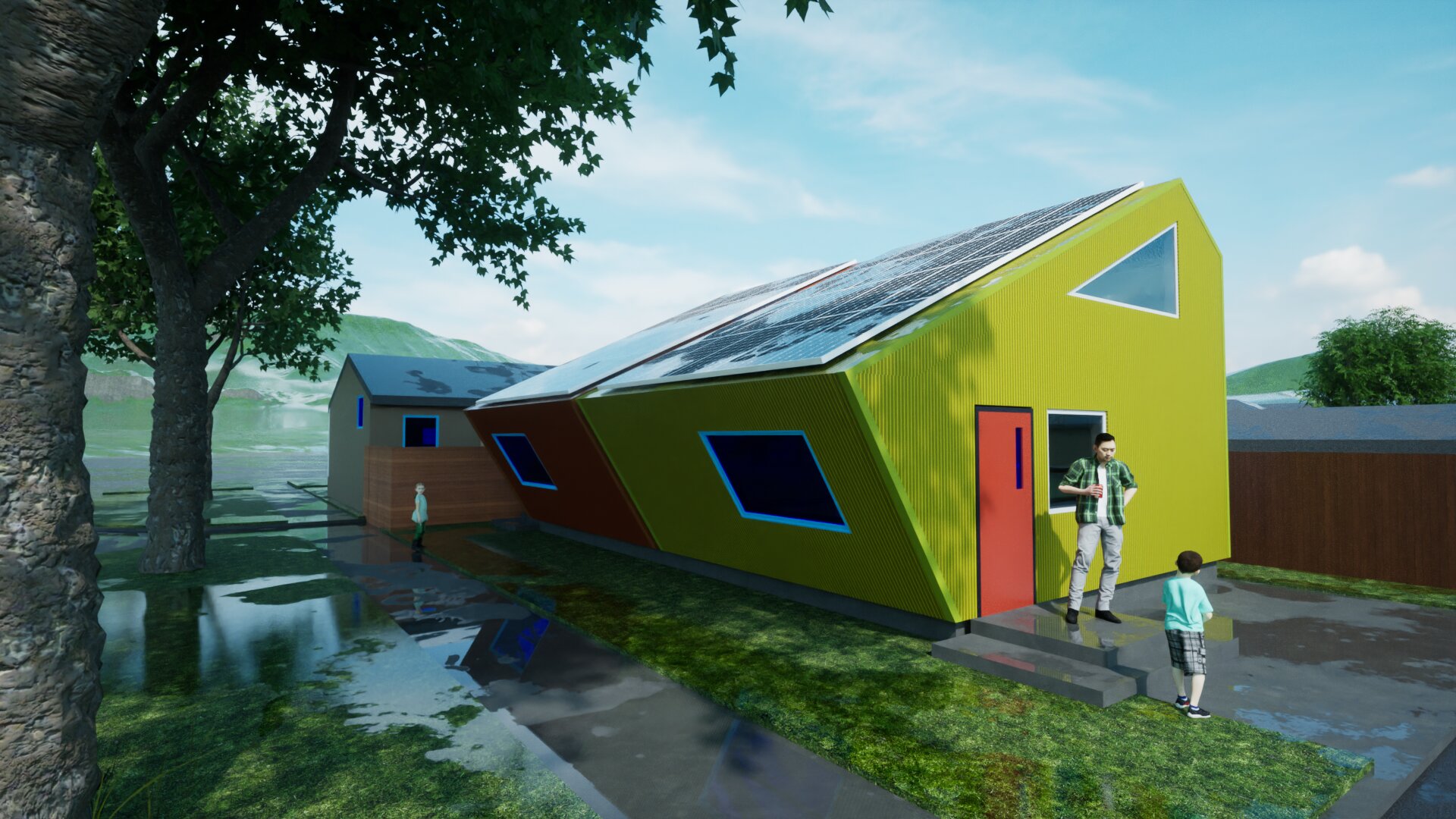
- Roof geometry tilts to maximize solar exposure, enabling daylighting and renewable energy capture while reducing reliance on the grid.
- Canted walls create niches and usable moments within the footprint, increasing livability without increasing area.
- Windows extend space beyond the envelope, connecting the interior to the neighbourhood.
- Simple, elemental geometry allows the unit to integrate into diverse contexts without overwhelming them.
This is not minimalism as austerity, but as clarity. The design is precise, efficient, and adaptable, ensuring repeatability at scale while maintaining architectural quality.
Affordable housing, in this framework, is not charity—it is disciplined, purposeful architecture. Building small means building intelligently, economically, and inclusively. It provides housing that serves the many while making efficient use of urban land and resources.